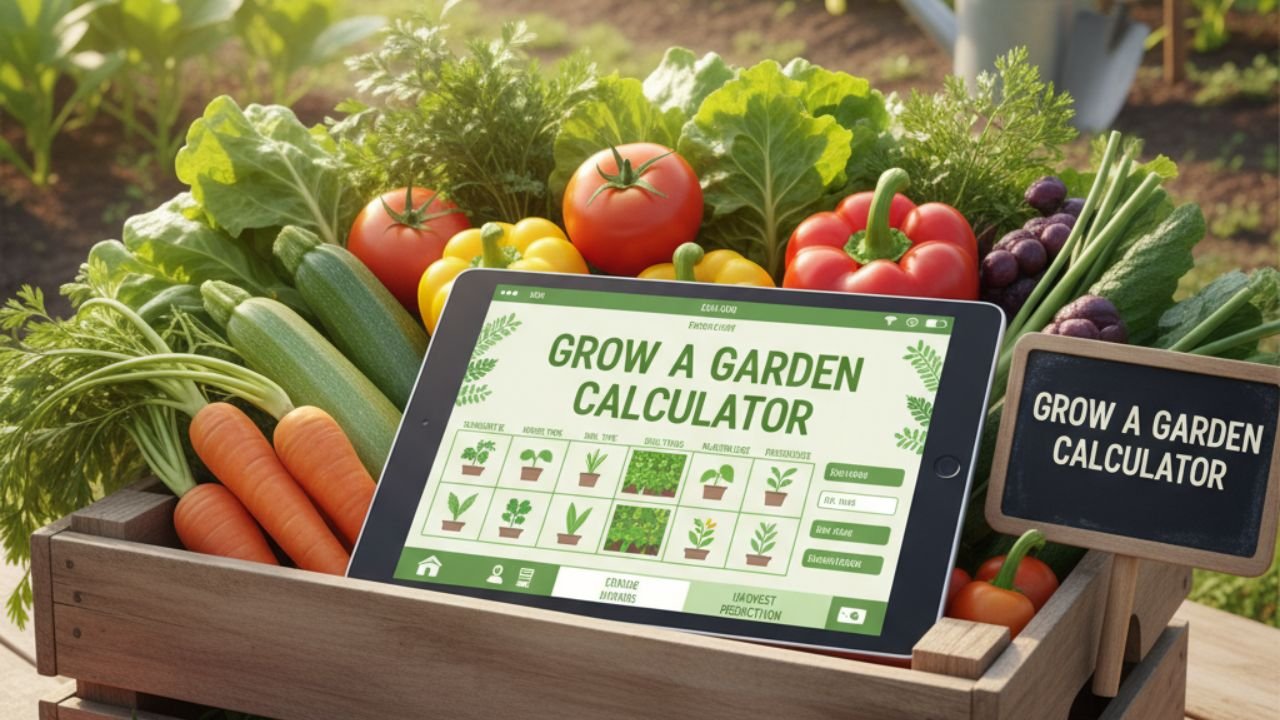
Grow a Garden Calculator
Plan your perfect garden with a few simple steps!
Your Custom Garden Plan
Garden Size & Plant Count
Your garden is square feet. We recommend planting around .
Estimated Water Needs
You’ll need approximately per week to keep your plants happy.
Plant Suggestions
Based on your selections, consider planting: .
Gardening FAQs
What’s the best time of year to start a garden?
For most regions, early spring, after the last frost, is the ideal time to start planting. This gives your plants a full season to grow. Fall is also a great time for planting cool-weather crops like lettuce, spinach, and broccoli.
How do I improve my garden soil?
Adding organic matter is the key! Compost is fantastic for all soil types. It helps clay soil drain better and helps sandy soil retain moisture. You can also add aged manure, leaf mold, or cover crops to enrich your soil over time.
How often should I water my new garden?
It’s better to water deeply and less frequently than a little bit every day. A good rule of thumb is about 1 inch of water per week, either from rain or your hose. Check the soil by sticking your finger in about an inch deep. If it’s dry, it’s time to water.
What is “companion planting”?
Companion planting is the practice of growing certain plants together for mutual benefit. For example, planting marigolds near tomatoes can deter pests, and planting basil nearby can improve tomato flavor. It’s a natural way to create a healthier garden ecosystem.
How do I deal with pests naturally?
Encourage beneficial insects like ladybugs and lacewings, which eat aphids. Use physical barriers like row covers. Hand-pick larger pests like tomato hornworms. A simple spray of soapy water can also deter many soft-bodied insects.
What does “full sun” vs “partial shade” mean?
Full Sun: The area receives 6 or more hours of direct, unfiltered sunlight per day. Most vegetables and many flowers thrive in full sun.
Partial Shade: The area receives 3 to 6 hours of sun per day. It’s ideal for plants that can get scorched by intense afternoon sun.
Should I use fertilizer?
It depends on your soil quality. Starting with rich soil amended with compost might be enough. For heavy feeders like tomatoes and corn, a balanced organic fertilizer applied mid-season can boost production. Always follow the package instructions to avoid burning your plants.
What is mulching and why is it important?
Mulching is applying a layer of material (like straw, wood chips, or shredded leaves) to the surface of your soil. It’s incredibly beneficial: it helps retain soil moisture, suppresses weeds, and regulates soil temperature. As organic mulches break down, they also feed the soil.
Can I grow a garden in containers?
Absolutely! Container gardening is perfect for small spaces like patios and balconies. Many vegetables, herbs, and flowers do very well in pots. Just make sure your container has drainage holes and use a quality potting mix, as garden soil gets too compacted.
What are some easy plants for beginners?
For vegetables, try lettuce, bush beans, zucchini, and radishes. For herbs, mint (in a container!), basil, and chives are very forgiving. For flowers, sunflowers, marigolds, and zinnias are famously easy to grow and provide beautiful color.
Grow a Garden Calculator: Your Ultimate Guide to Planning the Perfect Garden
Have you ever stared at a patch of dirt in your backyard and wondered where to start? Gardening can feel overwhelming, especially if you’re not sure how much space you need or what plants will thrive. That’s where a grow a garden calculator comes in handy.
It’s like having a personal gardening coach right on your screen, helping you figure out the basics without all the guesswork. We’ll dive into what these tools are, how they work, and why they’re a game-changer for anyone looking to cultivate their own green space.
What Is a Grow a Garden Calculator?
At its core, a grow a garden calculator is an online tool designed to help you plan your garden layout and needs. It takes simple inputs like the size of your plot, the amount of sunlight it gets, and the types of plants you want to grow. From there, it spits out practical advice, such as how many plants you can fit, estimated water requirements, and even suggestions for what to plant.
These calculators have evolved from basic spreadsheets to interactive web apps. For instance, many draw from established gardening principles, like square foot gardening, which maximizes space by planting densely but efficiently. They’re not just for veggies – you can use them for flowers, herbs, or even mixed beds. The beauty is in the customization; no two gardens are the same, and these tools account for that.
Think about it: without a plan, you might end up overcrowding your space or wasting water on plants that don’t suit your conditions. A good calculator prevents those pitfalls, making your gardening journey smoother and more successful.
How Does a Grow a Garden Calculator Work?
Let’s break it down step by step. Most calculators start with the fundamentals of your garden’s setup.
First, you’ll input the dimensions. Say your garden bed is 5 feet wide by 10 feet long – that’s a straightforward calculation for the total area, which comes out to 50 square feet. The tool uses this to estimate everything else.
Next comes sunlight exposure. Options usually include full sun (6+ hours a day), partial shade (3-6 hours), or full shade (less than 3 hours). This is crucial because plants have different light needs. Tomatoes love baking in the sun, while lettuce might bolt if it gets too much.
Then, select your primary plant type: vegetables, flowers, or herbs. Each category has its own spacing and care rules. For veggies, you might get denser planting suggestions, while flowers could require more room to spread.
Once you hit calculate, the magic happens. The output might show:
- Garden size in square feet.
- Recommended plant count, based on average spacing for your chosen type.
- Water needs, often in gallons per week, adjusted for sunlight.
- Plant suggestions tailored to your inputs.
For example, if you pick vegetables in full sun, it might recommend tomatoes, peppers, and cucumbers. Switch to partial shade, and you’ll see leafy greens like spinach or kale pop up.
Behind the scenes, these tools rely on data from horticultural experts. They factor in things like plants per square foot – veggies often at 1 per foot, herbs up to 1.5. Water estimates might use a base of 0.6 gallons per square foot, ramping up for sunnier spots.
The Benefits of Using a Grow a Garden Calculator
Why bother with a calculator when you could just wing it? Well, for starters, it saves time and money. By knowing exactly how many plants to buy, you avoid overpurchasing seeds or seedlings. Plus, it helps prevent crop failures from poor planning.
Efficiency is another big win. These tools promote sustainable practices, like optimizing water use to reduce waste. In a world where water conservation matters, that’s huge. They also encourage biodiversity by suggesting companion plants that work well together, deterring pests naturally.
For intermediate gardeners, it’s a step up from basic trial and error. You can experiment with different scenarios – what if I make the bed bigger? Or switch to herbs? It empowers you to make informed tweaks, leading to healthier plants and bigger harvests.
And let’s not forget the fun factor. Playing around with inputs feels like designing your dream garden without the commitment. It’s motivating, especially on those rainy days when you can’t get outside.
Step-by-Step Guide to Planning Your Garden with a Calculator
Ready to try it out? Here’s how to get started with a grow a garden calculator.
Step 1: Measure your space. Grab a tape measure and note the width and length. Don’t forget to consider any obstacles like trees or paths.
Step 2: Assess sunlight. Spend a day observing your spot. Track how many hours of direct sun it gets. Apps or simple timers can help if you’re unsure.
Step 3: Choose your focus. Decide on veggies for fresh produce, flowers for color, or herbs for easy kitchen additions.
Step 4: Plug in the data. Find a reliable online calculator – sites like Johnny’s Selected Seeds or The Old Farmer’s Almanac have great ones. Enter your details and hit go.
Step 5: Review and adjust. Look at the results. If the plant count seems low, maybe expand your area. Tweak sunlight or type for better suggestions.
Step 6: Implement the plan. Buy your plants or seeds, prepare the soil with compost, and get planting. Follow up with the water estimates to keep things thriving.
This process turns abstract ideas into actionable plans. Pro tip: Print or screenshot your results for reference while you’re in the garden.
Key Factors in Garden Calculations: Spacing and Water Needs
Spacing is king in gardening. Cram too many plants together, and they’ll compete for nutrients, leading to weak growth. A calculator uses standard guidelines to suggest numbers.
For instance, in vegetable gardens, tomatoes might need 2-3 feet apart, while carrots can be as close as 3 inches. Herbs like basil thrive at 12 inches spacing.
Here’s a simple table to illustrate average plants per square foot by type:
| Plant Type | Plants per Square Foot | Example Plants |
|---|---|---|
| Vegetables | 1 | Tomatoes, Peppers |
| Flowers | 0.75 | Marigolds, Zinnias |
| Herbs | 1.5 | Basil, Mint |
Water needs vary too. Most gardens require about 1 inch per week, but sunlight amps that up. Full sun might mean 0.8 gallons per square foot, while shade drops to 0.4. Factors like soil type play in – sandy soils drain fast, needing more frequent watering.
To conserve water:
- Mulch around plants to retain moisture.
- Water deeply but infrequently to encourage strong roots.
- Use drip irrigation for targeted delivery.
These tweaks, informed by your calculator, can cut water use by up to 50%.
Plant Suggestions Tailored to Your Conditions
One of the coolest parts of a grow a garden calculator is the personalized plant picks. Based on research from sources like Penn State Extension, recommendations align with sunlight and type.
For full sun veggies: Go for heat-lovers like zucchini, cucumbers, and beans. They need that light to produce bountifully.
Partial shade flowers: Impatiens and begonias add pops of color without scorching.
Full shade herbs: Mint and parsley can handle low light, though growth slows.
Mixing types? Companion planting boosts results. Plant basil near tomatoes to enhance flavor and repel pests. Calculators often hint at these synergies.
Don’t overlook natives – they adapt best to local conditions, requiring less water and care. Check regional guides for ideas.
Common Mistakes to Avoid When Using a Calculator
Even with a tool, slip-ups happen. One biggie is inaccurate measurements. Always double-check your garden dimensions; a small error can throw off plant counts.
Ignoring soil quality is another. Calculators assume decent soil, but if yours is poor, amend it first with organic matter.
Over-relying on suggestions without local research can backfire. What works in one climate might flop in yours – factor in your zone.
Finally, remember calculators are guides, not gospel. Monitor your garden and adjust as needed. Plants have personalities; some might need extra TLC.
Enhancing Your Garden Beyond the Basics
Once you’ve got the calculator’s plan, level up with extras. Succession planting keeps harvests coming – sow new seeds every few weeks.
Incorporate pollinators with flowers like sunflowers to attract bees.
For tech-savvy folks, pair the calculator with apps like Seedtime for visual layouts.
Sustainability tip: Collect rainwater for irrigation, aligning with your water estimates.
These add-ons turn a simple plan into a thriving ecosystem.
Conclusion
A grow a garden calculator simplifies the path to a lush, productive space. It empowers you to plan smartly, save resources, and enjoy the process. Give one a try – your garden (and maybe your dinner table) will thank you.
Disclaimer: This blog is for informational purposes only. Gardening results vary by location, soil, and care. Consult local experts for specific advice.